
A Clear Guide to How a Tilt and Slide Recovery Truck Operates
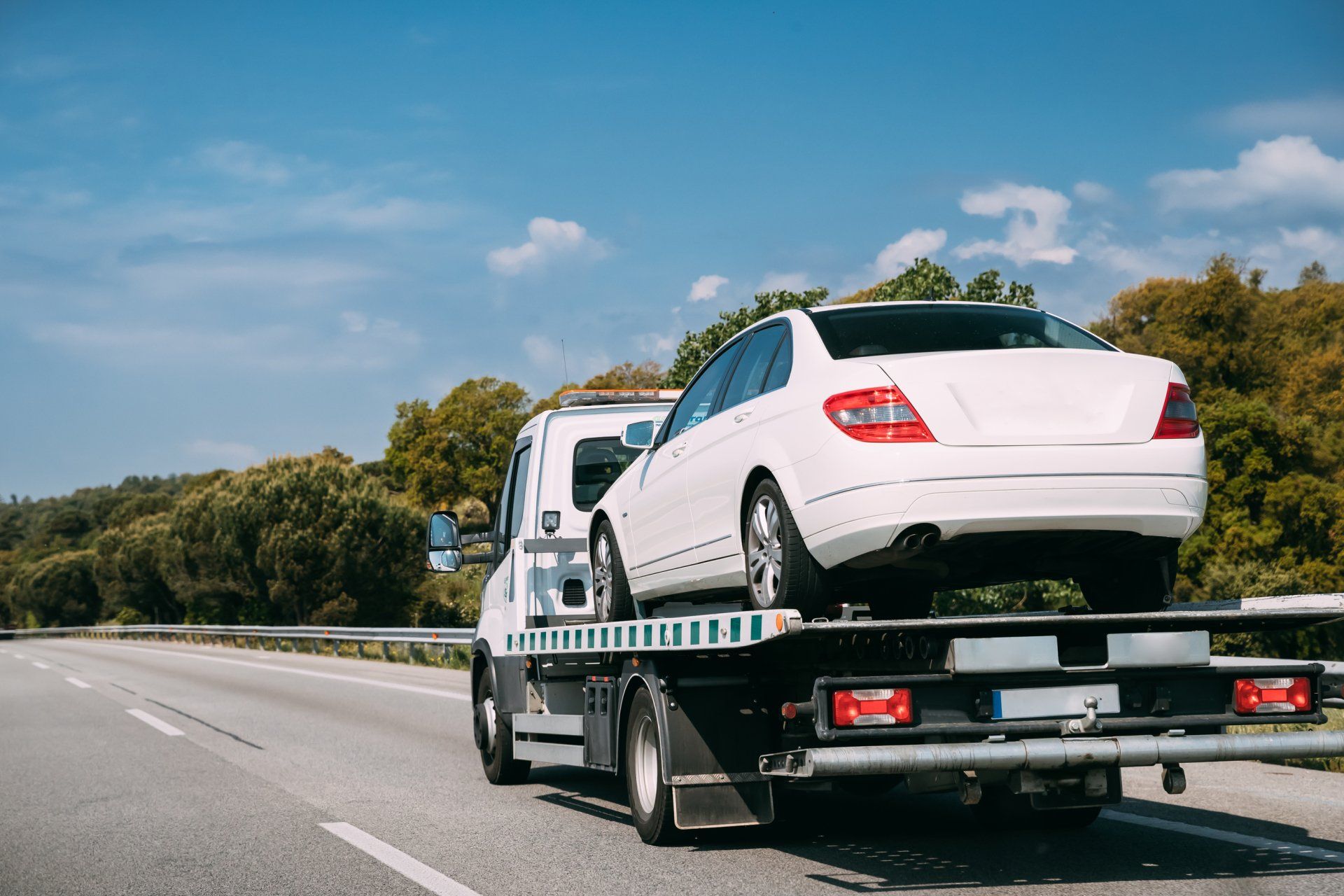
A tilt and slide recovery truck is one of the most effective tools used in modern vehicle, especially in busy areas such as Slough where space is often limited. Its hydraulic design, smooth loading angle, and controlled movement allow operators to assist motorists quickly and safely.
This guide explains how these vehicles work, why the system is so reliable, and what drivers can expect when one arrives at the roadside.
What Makes a Tilt and Slide System Work
The core design of a tilt and slide recovery truck revolves around a bed that can both angle downward and slide backwards to create the ideal loading surface. Hydraulics power each movement, ensuring smooth transitions that protect the vehicle being recovered. For motorists in Slough, this system offers a reliable option when dealing with breakdowns, electrical faults, or immobile vehicles in tight spaces.
The bed is reinforced with steel rails, secure anchor points, and non-slip surfaces to ensure steady, controlled loading at all times. Operators can manage every movement from outside the cab, giving them clear visibility and safer positioning during the process. Its smooth and predictable operation makes it ideal for residential streets, dual carriageways, and busy commercial areas.
How the Tilt Function Operates
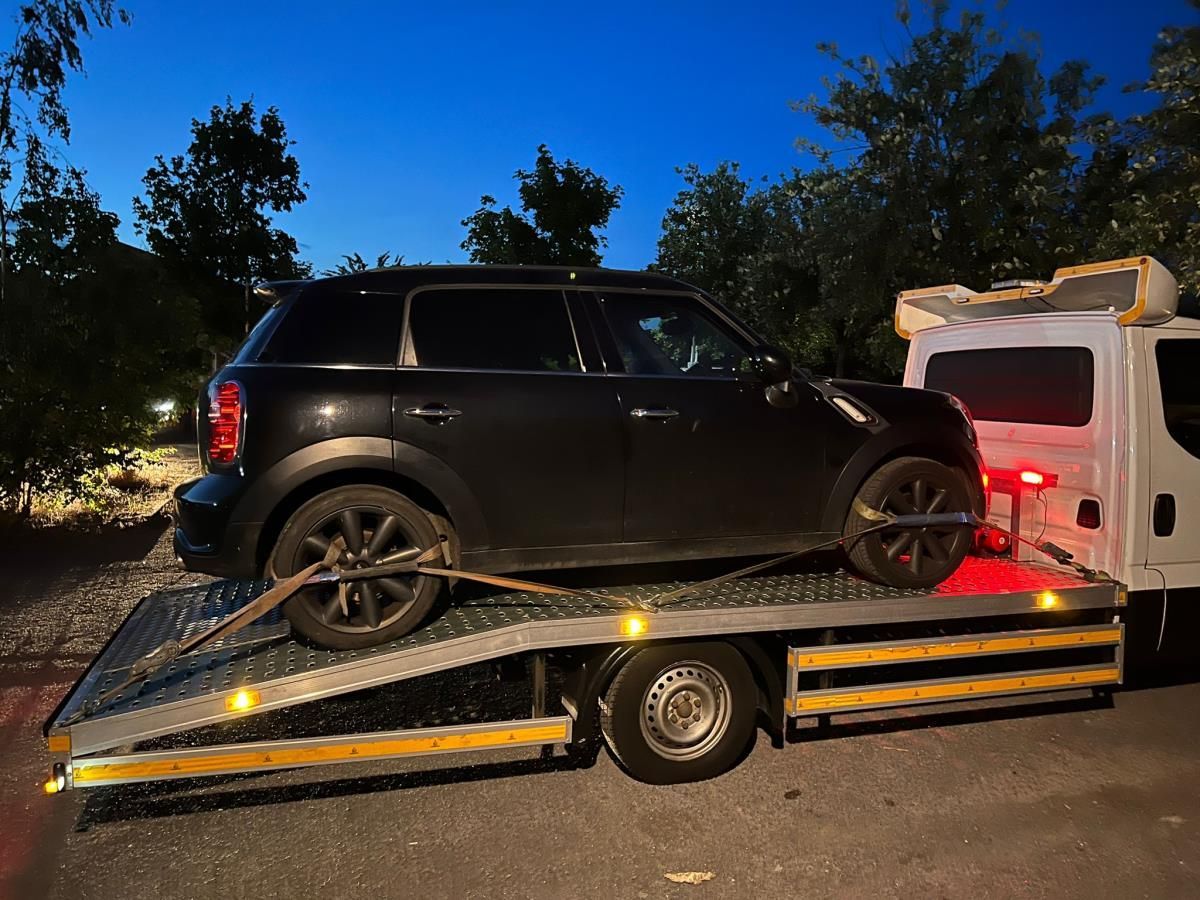
When the tilt function is activated, the front of the bed lifts while the rear lowers gently towards the ground, forming a controlled loading angle that guides the vehicle smoothly onto the platform. Hydraulics keep the motion steady to prevent sudden drops or jolts, ensuring safe handling at every stage. This approach is especially valuable in Slough’s busy traffic, where operators rely on the stability and efficiency provided by tilt and slide recovery.
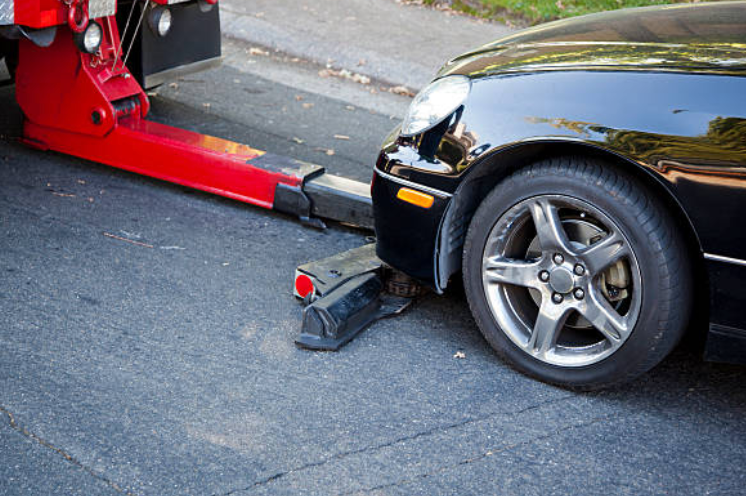
The incline reduces stress on low-clearance vehicles and protects damaged suspension or tyres. It also ensures no dragging occurs, which keeps the vehicle stable and minimises risk during the process.
Understanding the Slide Mechanism
Once tilted, the bed slides backwards to extend fully, creating extra loading space and giving the winch the correct pulling path. The sliding action is powered by a hydraulic track system that ensures smooth, controlled movement throughout the process. This design is especially useful for recovering vehicles from tight residential areas, high kerbs, or awkward angles — common challenges across Slough. Modern systems also benefit from improvements in the recovery tilt and slide body, which enhances strength, stability, and overall loading efficiency.
The vehicle is then pulled up the incline using a winch, and once centred, the bed slides back into position, locking securely onto the chassis. The stability and precision of this movement are key reasons why roadside professionals continue to rely on this system daily.
Key Components Working Together
To understand the system clearly, it helps to look at the key components that make the process safe and effective. Hydraulic rams provide the powerful, controlled lifting and sliding needed to position the bed accurately, while the winch system pulls the vehicle securely onto the platform. The reinforced bed surface prevents slipping during loading, and safety locks keep the bed firmly secured for road transport.
Operator controls allow precise positioning throughout the recovery, ensuring smooth handling in all conditions. These same principles apply to popular models such as the ford transit recovery truck tilt and slide, which rely on this engineered setup to deliver reliable performance in roadside situations around Slough.
Everyday Uses and Practical Benefits
A tilt and slide recovery truck supports motorists in a wide range of real-world situations, offering dependable assistance whenever a vehicle cannot be driven due to mechanical failure. Its design allows operators to load vehicles from tight driveways or restricted spaces with ease, while also handling low-suspension cars without causing additional damage. The system is equally effective for transporting vehicles safely over longer distances, providing stability and control throughout the journey. This versatility is a key reason why it remains one of the most trusted and widely used recovery methods across the industry.
Tilt and slide systems have helped recovery operators work more efficiently, safely, and reliably. Their controlled loading angle, hydraulic power, and smooth operation make them ideal for assisting drivers in all kinds of situations — from residential breakdowns to busy roadside emergencies in Slough. With predictable motion and stable support, these trucks continue to be one of the most dependable tools for modern
vehicle recovery.
Car Recovery Slough provides reliable, straightforward help whenever motorists need assistance. Our team uses modern equipment, clear communication, and careful techniques to ensure every recovery is handled safely and efficiently. Whether you need fast roadside support, vehicle transportation, or help with a non-starting car, we focus on offering a calm, trustworthy service from beginning to end. With prompt arrival, skilled operators, and dependable recovery methods, we are here to keep your journey moving smoothly.
Just out on X: How a
tilt and slide recovery truck works – simple guide!
You might also like